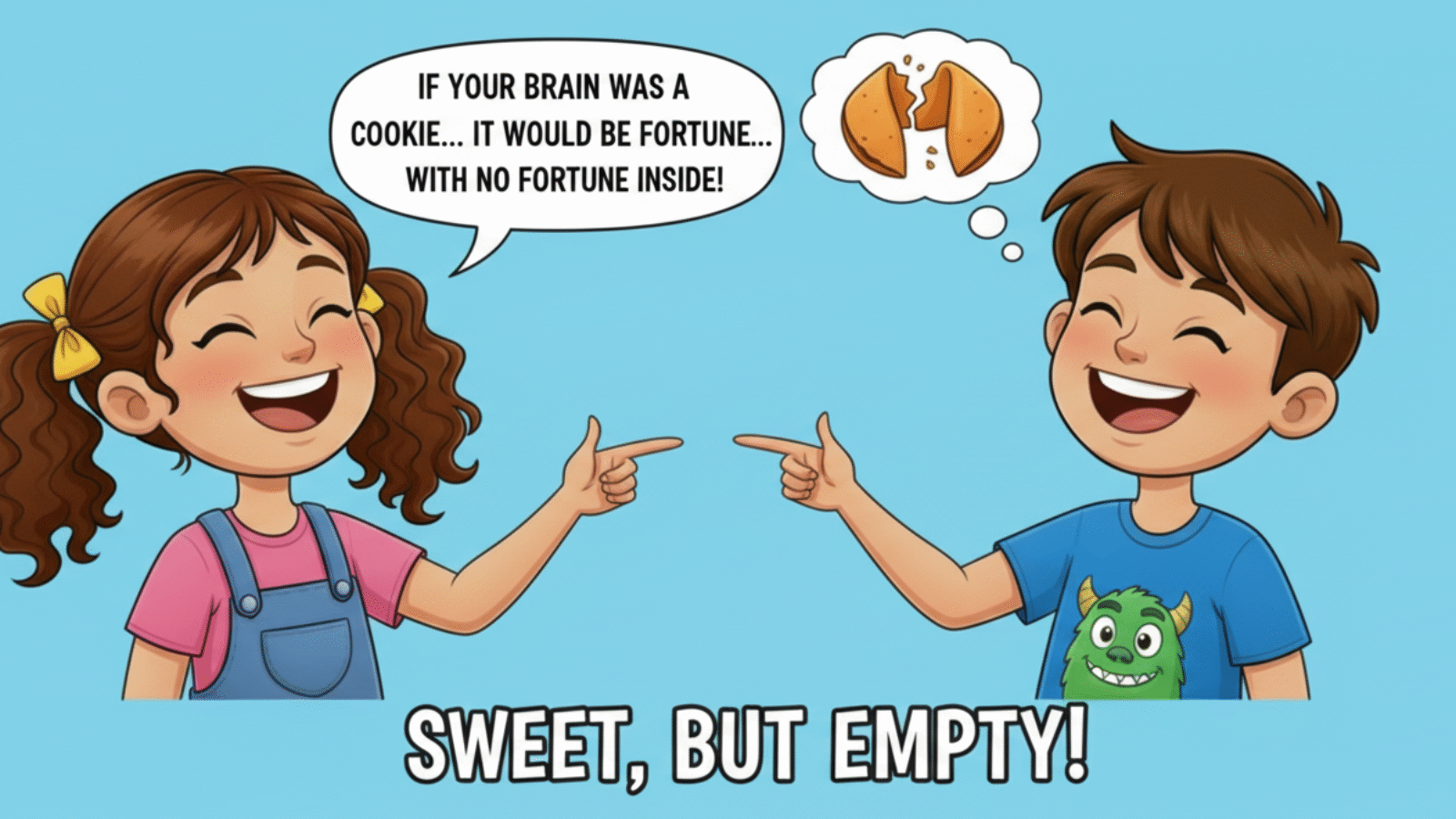
Crafting really good roasts is a skill that mixes humor, timing, creativity, and emotional intelligence. A perfectly delivered roast can turn an ordinary conversation into a memorable moment. Whether you’re joking with friends, adding humor to group chats, or trying to improve your comeback game, learning how to roast properly helps you sound confident and clever. This guide teaches you how to create your own sharp, funny, and friendly roasts while keeping things safe and enjoyable. With the right techniques, your really good roasts will become the highlight of any gathering.
Why Roasts Are More Than Just Insults
Most people think roasting simply means insulting someone, but true roasting is much deeper. A roast should be witty, creative, and lighthearted. It should make people laugh, not feel offended. The best really good roasts blend observation, exaggeration, and personality. You’re highlighting something funny about the person, but in a way that shows affection, not cruelty.
A great roast works because it is relatable. Exaggerating someone’s tiny habits, reactions, or quirks makes the humor feel natural. For example, roasting a friend for being confused all the time works better than mocking their appearance. Friendly roasting builds connection instead of tension.
Observation: The True Secret Behind Great Roasts
To craft really good roasts, you must observe people closely. Notice their repeated habits, dramatic reactions, and funny patterns. Pick details that everyone secretly notices but never points out. These hidden gems make your roast hit even harder.
For example:
“You don’t just run late. You treat time like it’s optional.”
It’s funny, harmless, and relatable. People laugh because it’s true, but exaggerated creatively.
Timing Makes the Roast Hit Harder
Even the funniest roast can fall flat if delivered poorly. Timing controls impact. Great timing means waiting for the right pause, moment, or facial expression before delivering your punchline. A roast needs space to breathe.
If you speak too early, the setup isn’t established. If you speak too late, the moment is gone.
But when delivered at the right moment, really good roasts can steal the whole conversation.
Use Short, Punchy Language for Maximum Effect
The best roasts are short, clear, and rhythmic. They should fly out quickly and hit instantly. Long sentences weaken the punch. A roast is not a speech. It’s a verbal firecracker.
For example:
“You look like your WiFi signal—weak in every room.”
Short roasts hit faster, land better, and sound smoother. This is the core of really good roasts.
Creativity: What Makes Roasts Unforgettable
Anyone can say something basic like “You’re annoying.” But that isn’t funny. Creativity is what separates average comments from unforgettable jokes.
Great roasts turn ordinary habits into imaginative comparisons.
Examples:
“You’re like a software update—always popping up at the worst time.”
“You don’t miss the point; you avoid it like it owes you money.”
These examples show how really good roasts use creativity, exaggeration, and imagery to build hilarious mental pictures.
The Golden Rule: Keep Roasts Safe and Friendly
The difference between being funny and being rude is sensitivity. Never target someone’s insecurities, appearance, trauma, or things they cannot change. Roasting should feel fun and loving, not harmful.
When the person you roast laughs the hardest, that’s when you know your really good roasts hit the perfect balance.
Practice Your Roasts on Yourself First
Self-roasting is one of the funniest and safest ways to improve your humor. It shows confidence, maturity, and social charm. Self-roasts also make others more open to friendly banter.
Example:
“My personality is like my phone battery—drains fast and needs constant recharging.”
Practicing self-roasting helps you create really good roasts for others more effectively because it trains your timing and creativity.
Examples of Clean, Funny Roasts You Can Use
Here are some clean and hilarious lines that stay friendly and fun:
“You’re on energy-saving mode permanently.”
“You’re living proof that notifications aren’t the only thing that pops up uninvited.”
“You treat logic like a stranger you’ve never met.”
“You’re not clueless. You’re just committed to being surprised by life.”
“You drop focus faster than bad WiFi.”
These are examples of really good roasts that entertain without crossing boundaries.
Understanding Your Audience Before Roasting
Different settings require different humor styles. A roast that works with close friends might not fit in a formal environment. A roast that sounds funny online might not sound the same in real life.
Understanding the mood, comfort level, and personality of your audience helps your really good roasts land perfectly and avoid awkward situations.
Delivery Is Everything
A roast should feel natural, casual, and spontaneous. Don’t force humor.
Even the funniest line feels awkward if said with hesitation.
Add a smile, relaxed tone, or raised eyebrow, and your roast becomes ten times funnier.
The delivery style is often what turns average jokes into really good roasts that people quote later.
Conclusion
Masteringcc means learning timing, observation, creativity, and emotional intelligence. When done correctly, roasting becomes a form of healthy humor that strengthens friendships and adds personality to conversations. With practice, confidence, and creativity, anyone can learn to deliver unforgettable, sharp, and hilarious lines. So keep practicing, stay clever, and let your roasts always entertain without ever hurting. With the right approach, your really good roasts will be remembered, shared, and appreciated everywhere you go.
FAQs
1. What makes a roast “good”?
A good roast is funny, original, and harmless. It should make the person laugh, not feel attacked.
2. How can I roast someone without being rude?
Stick to light, harmless topics like habits or funny exaggerations. Avoid anything sensitive.
3. Is timing important in roasting?
Yes. Delivering a roast at the right moment increases its humor and impact.
4. Are short roasts better?
Short and punchy roasts usually land better and feel more natural.
5. Can I practice roasts alone?
Yes. Self-roasting and practicing on fictional situations help you get sharper and funnier.