
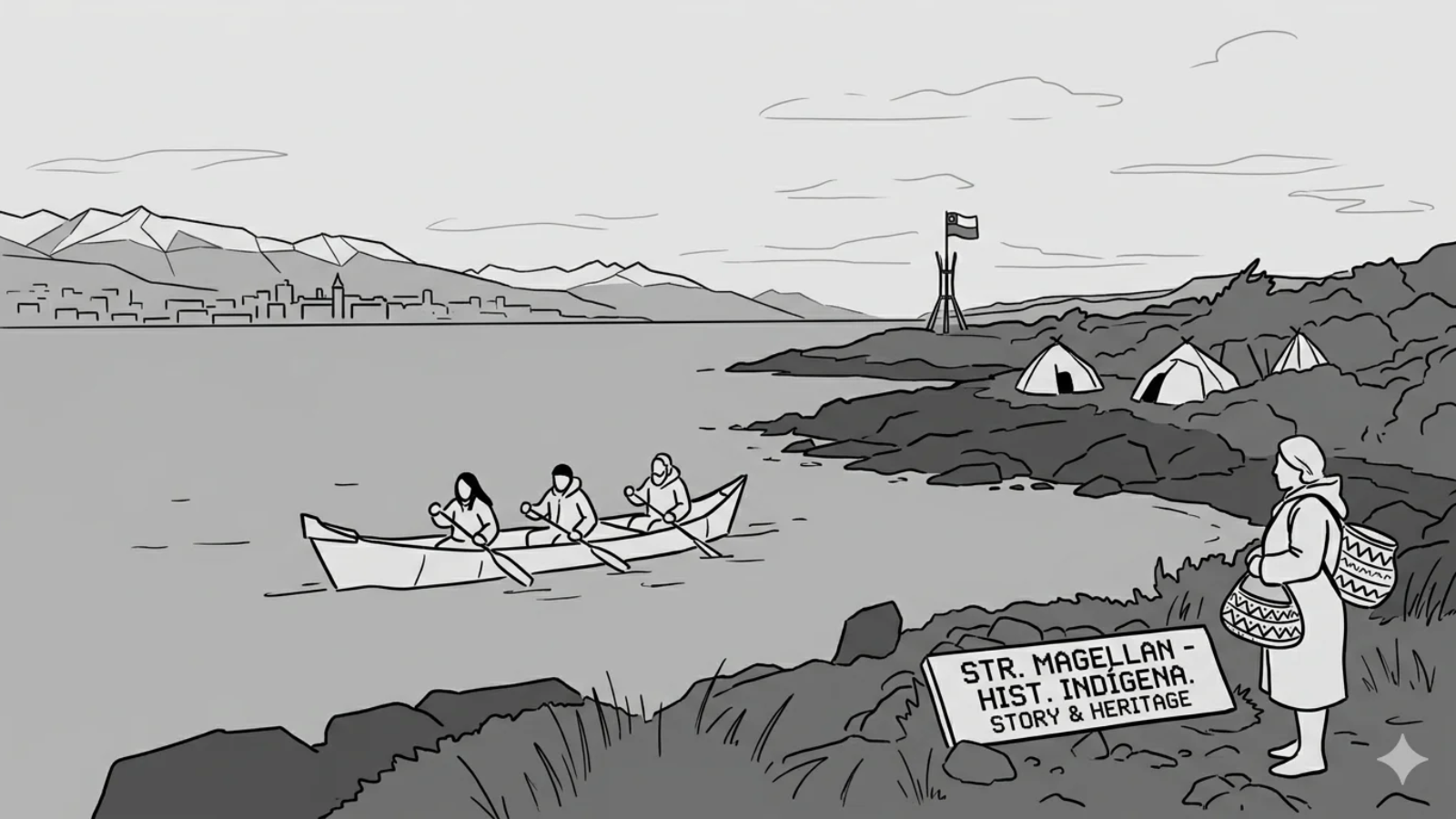
The Strait of Magellan is one of the most remarkable natural waterways in the world, connecting the Atlantic Ocean and the Pacific Ocean at the southern tip of South America. Known for its strategic importance, dramatic landscapes, and unpredictable climate, this passage has played a vital role in global navigation and cultural history. Beyond its geographical significance, the region holds a deep and meaningful connection to indigenous communities whose traditions and lifestyles have shaped its identity for thousands of years.
The strait is not only a maritime route but also a living historical landscape where exploration, survival, and cultural resilience intersect. Understanding its history and indigenous heritage provides valuable insight into how humans adapt to extreme environments while preserving their identity.
Historical Background of the Strait of Magellan
Long before European explorers arrived, the Strait of Magellan was inhabited by indigenous peoples who had adapted to its harsh climate and challenging terrain. Archaeological evidence shows that humans lived in this region for over 13,000 years, relying on hunting, fishing, and gathering for survival.
The global significance of the strait began in 1520 when explorer Ferdinand Magellan navigated through it during his expedition. This discovery marked the first known European passage between the two great oceans. Over time, the strait became a crucial trade and exploration route, influencing global maritime history.
Despite the arrival of outsiders, indigenous communities continued to preserve their traditions and knowledge, maintaining a deep connection with the land and sea.
Indigenous Communities and Cultural Identity
Several indigenous groups have historically lived around the Strait of Magellan, including the Kawésqar, Selk’nam, Yaghan, and Tehuelche peoples. Each community developed unique cultural practices, languages, and survival strategies suited to their environment.
These groups relied heavily on nature, using its resources sustainably while maintaining a spiritual relationship with their surroundings. Their cultural identity is deeply rooted in storytelling, rituals, and traditional knowledge passed down through generations.
Oral traditions play a central role in preserving history and values. Through stories, myths, and legends, these communities have kept their heritage alive despite external pressures and modernization.
Traditional Lifestyles and Survival Strategies
Life in the Strait of Magellan region is challenging due to strong winds, cold temperatures, and unpredictable weather. Indigenous communities developed remarkable survival techniques to thrive in such conditions.
Fishing and hunting were essential for daily survival, with communities using handmade tools crafted from natural materials. Seasonal migration allowed them to adapt to changing environmental conditions, ensuring access to food and shelter throughout the year.
Their deep understanding of ecosystems enabled them to live sustainably, maintaining balance with nature rather than exploiting it. This knowledge continues to inspire modern environmental practices.
Language and Oral Traditions
Language is a powerful symbol of identity, and the indigenous languages of the Strait of Magellan reflect unique worldviews and cultural values. These languages carry centuries of knowledge about the environment, survival techniques, and social structures.
Oral storytelling has been the primary method of education, teaching younger generations about history, morality, and practical skills. These narratives often include myths explaining natural phenomena, strengthening the bond between people and their environment.
Efforts to preserve these languages have increased in recent years, as they are considered vital to maintaining cultural heritage.
Spiritual Beliefs and Cultural Practices
Spirituality is deeply embedded in the lives of indigenous communities in the Strait of Magellan. Many beliefs center around the idea that humans are part of a larger natural system, emphasizing harmony and respect for nature.
Ceremonies and rituals are conducted to honor ancestors, celebrate seasonal changes, and maintain spiritual balance. Traditional dances, music, and artistic expressions are not only cultural activities but also forms of spiritual connection.
These practices strengthen community bonds and reinforce a shared identity, helping communities remain resilient in the face of change.
Economic Activities and Sustainability
The traditional economy of the Strait of Magellan region is closely tied to natural resources. Indigenous communities rely on fishing, hunting, and small-scale agriculture, all practiced with sustainability in mind.
In recent years, eco-tourism and cultural tourism have emerged as new economic opportunities. These activities allow communities to share their heritage while generating income. However, maintaining a balance between economic growth and cultural preservation remains essential.
Sustainable practices continue to guide local economies, ensuring that natural resources are protected for future generations.
Challenges Facing Indigenous Communities
Indigenous communities in the Strait of Magellan face several challenges, including climate change, cultural erosion, and economic pressures. Environmental changes have affected traditional livelihoods, forcing communities to adapt their practices.
Globalization has introduced new lifestyles and values, sometimes threatening traditional customs and languages. Additionally, limited access to resources and opportunities can create socio-economic difficulties.
Addressing these challenges requires collaboration between communities, governments, and organizations to support cultural preservation and sustainable development.
Preservation Efforts and Cultural Revival
Efforts to preserve the heritage of the Strait of Magellan have gained momentum in recent years. Cultural programs, educational initiatives, and community projects aim to protect traditions and promote awareness.
Indigenous leaders play a key role in these efforts, ensuring that cultural knowledge is passed down to younger generations. Reviving traditional arts, crafts, and languages has become a priority, helping communities reconnect with their roots.
These initiatives not only preserve history but also create opportunities for economic development and cultural pride.
Role of Education in Cultural Continuity
Education is a powerful tool for maintaining cultural heritage. In the Strait of Magellan region, integrating traditional knowledge with modern education helps bridge the gap between past and present.
Community-based education programs often involve elders sharing their experiences and skills with younger members. This approach strengthens intergenerational connections and ensures that cultural knowledge is not lost.
By combining tradition with modern learning, communities can adapt to change while preserving their identity.
Impact of Tourism on the Strait of Magellan
Tourism has become an important part of the Strait of Magellan’s economy. Visitors are drawn to its natural beauty, wildlife, and cultural richness. While tourism provides economic benefits, it also presents challenges.
Uncontrolled tourism can lead to environmental damage and cultural exploitation. Therefore, responsible tourism practices are essential. Supporting local communities, respecting cultural traditions, and protecting natural habitats are key to sustainable tourism.
When managed properly, tourism can help preserve heritage while contributing to economic growth.
Future Prospects for Indigenous Heritage
The future of indigenous heritage in the Strait of Magellan depends on adaptability and collaboration. Communities must find ways to preserve their traditions while embracing modern opportunities.
Technology offers new possibilities for cultural preservation, such as digital documentation and global awareness campaigns. These tools can help share indigenous knowledge with a wider audience.
With the right support and initiatives, the cultural legacy of the Strait of Magellan can continue to thrive for generations to come.
Conclusion
The Strait of Magellan is far more than a geographical passage. It is a symbol of human resilience, cultural richness, and historical significance. From ancient indigenous communities to global explorers, the region has played a vital role in shaping human history.
Preserving its heritage is essential not only for the communities who call it home but also for the world. The traditions, knowledge, and values found in this region offer important lessons in sustainability, cultural identity, and coexistence with nature.
By respecting and supporting indigenous communities, we can ensure that the legacy of the Strait of Magellan remains alive and meaningful in the modern world.

Add a Comment