
Introduction to Assimilation
Assimilation is a word that often surfaces in discussions about culture, identity, and community. But what does it truly mean? The journey of cultural integration can be as diverse as the cultures themselves. Picture someone from one background stepping into another’s world. It’s not just about language or food; it’s a deep interplay of traditions, beliefs, and experiences.
As our society becomes increasingly interconnected, understanding assimilation takes on new importance. Whether you’re navigating life in a multicultural landscape or simply looking to embrace different customs, recognizing the nuances of this process can make all the difference. Let’s embark on an exploration of what assimilation means and how it shapes our lives today.
What Is Cultural Assimilation?
Cultural assimilation refers to the process by which individuals or groups from one culture adopt the beliefs, values, and practices of another. This often occurs when immigrants settle in a new country and begin to blend into the dominant culture.
During this transition, people may change their language, customs, and even dietary habits. It’s not just about adopting surface-level traits; it often involves deeper integration into social norms and community dynamics.
Assimilation can be voluntary or forced. In some cases, newcomers embrace their host society’s way of life willingly. Other times, societal pressures compel them to conform for acceptance.
The outcome varies while some find success in fully integrating into their new environment, others might struggle with cultural identity loss. Understanding these nuances helps illuminate why assimilation is such a complex phenomenon in our increasingly globalized world.
Types of Assimilation
Assimilation takes various forms, each with its own nuances. The most recognized type is **cultural assimilation**. This occurs when individuals adopt the cultural traits of a dominant group while gradually losing their original cultural identity.
Another form is **structural assimilation**, which involves integrating into social structures like schools and workplaces. This often leads to increased interactions between different groups.
**Marital assimilation** refers to intermarriage between members of differing cultures. It can foster understanding but may also lead to conflicts regarding traditions.
There’s **linguistic assimilation**, where individuals adapt by learning the language of the dominant culture. Language plays a crucial role in bridging gaps and enhancing communication.
Each type highlights how complex and multifaceted the journey of integration can be for those navigating new cultural landscapes.
The Process of Assimilation
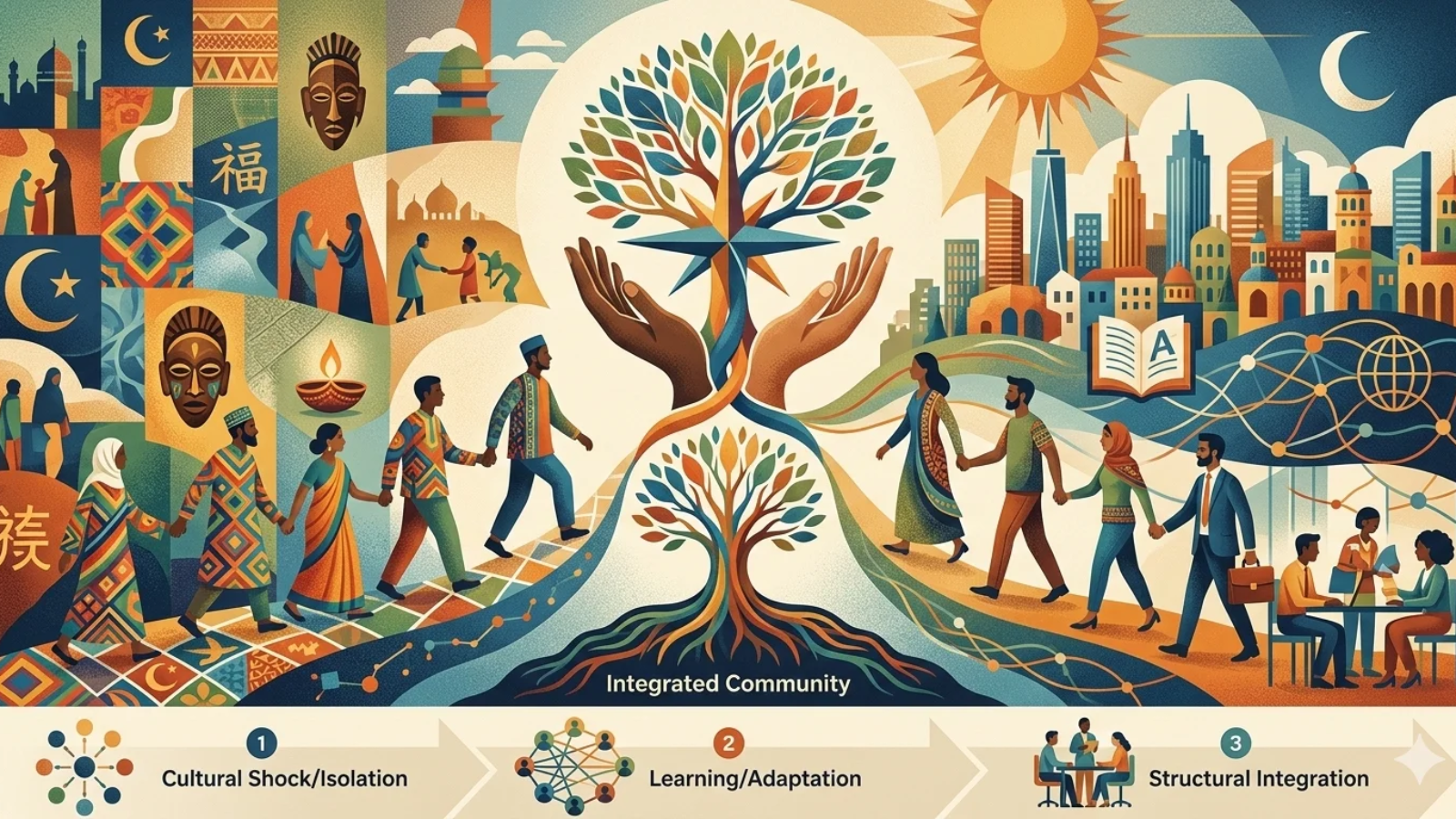
Assimilation is not a one-time event but a gradual process. It unfolds through various stages, each marked by unique experiences and adjustments.
Initially, individuals may encounter culture shock. This feeling can stem from the clash between their native customs and those of the new environment. Over time, familiarity begins to replace discomfort.
As people engage with their surroundings, they learn language nuances and social norms. This interaction fosters connections within the community, paving the way for acceptance.
Emotional resilience plays a crucial role during this journey. Embracing both old and new cultural elements fosters a sense of belonging while preserving one’s identity.
Assimilation varies greatly among individuals based on personal circumstances. Each path shapes how someone integrates into society while navigating complex emotions along the way.
Challenges and Difficulties of Assimilation
Assimilation can be a daunting journey for many individuals. The initial excitement of integrating into a new culture often gives way to unexpected challenges.
Language barriers stand out as one of the most significant hurdles. Miscommunication can lead to frustration and isolation, making it hard to form connections with others.
Additionally, cultural differences may create misunderstandings. Everyday practices that seem normal in one culture might come off as strange or offensive in another. This gap can hinder social interactions and foster feelings of alienation.
Moreover, some people face pressure from both their original culture and the new one. Balancing these expectations can create internal conflict and emotional strain.
Systemic issues like discrimination or prejudice further complicate the assimilation process. These external factors make it even harder for newcomers to fully embrace their new environment while maintaining ties to their roots.
Benefits of Successful Assimilation
Successful assimilation can lead to a richer, more diverse community. When individuals from different backgrounds come together, they share their traditions and perspectives. This blending often fosters creativity and innovation.
In workplaces, assimilation enhances teamwork. Colleagues learn from one another’s experiences and viewpoints, resulting in improved problem-solving abilities. A multicultural environment encourages collaboration.
Socially, successful assimilation promotes understanding and reduces prejudices. People become more empathetic towards others’ struggles and triumphs. This connection helps build stronger relationships within communities.
Additionally, assimilated individuals may find better economic opportunities. By integrating into the mainstream culture, they gain access to resources that support career growth.
Language acquisition is another benefit of cultural integration. As individuals adapt to a new culture, proficiency in the local language improves communication skills a crucial asset in today’s globalized world.
Tips for Navigating the Journey of Cultural Integration
Embrace openness. Enter new environments with curiosity. Engage with locals and listen to their stories. This builds connections and fosters understanding.
Learn the language, even a few phrases can make a significant difference. Communication creates bridges where walls might exist.
Participate in cultural events and traditions. Whether it’s food festivals or holiday celebrations, immersing yourself enhances your experience and appreciation of the culture.
Seek support from community groups or organizations focused on multicultural integration. Finding allies helps ease feelings of isolation during your journey.
Stay patient with yourself as you navigate this path. Assimilation is not an overnight process; it takes time to adjust and adapt fully.
Reflect on your experiences regularly, noting both challenges and joys along the way. This practice will help you recognize growth over time while adapting to new surroundings effortlessly.
Conclusion
Assimilation is a multifaceted process that shapes the lives of individuals and communities alike. Every person’s journey through cultural integration can look quite different, influenced by their background, experiences, and environment. Understanding the nuances of assimilation helps foster empathy and awareness in our increasingly diverse societies.
Embracing cultural differences while finding common ground is essential. While challenges abound, successful assimilation offers numerous benefits that enrich both individuals and the larger community. By navigating this complex landscape with intention and openness, we can create an inclusive atmosphere where everyone has the opportunity to thrive.
Recognizing the value of diverse cultures leads us toward a more harmonious existence together. The journey may be intricate but it holds immense potential for growth—both personally and collectively.

Add a Comment