
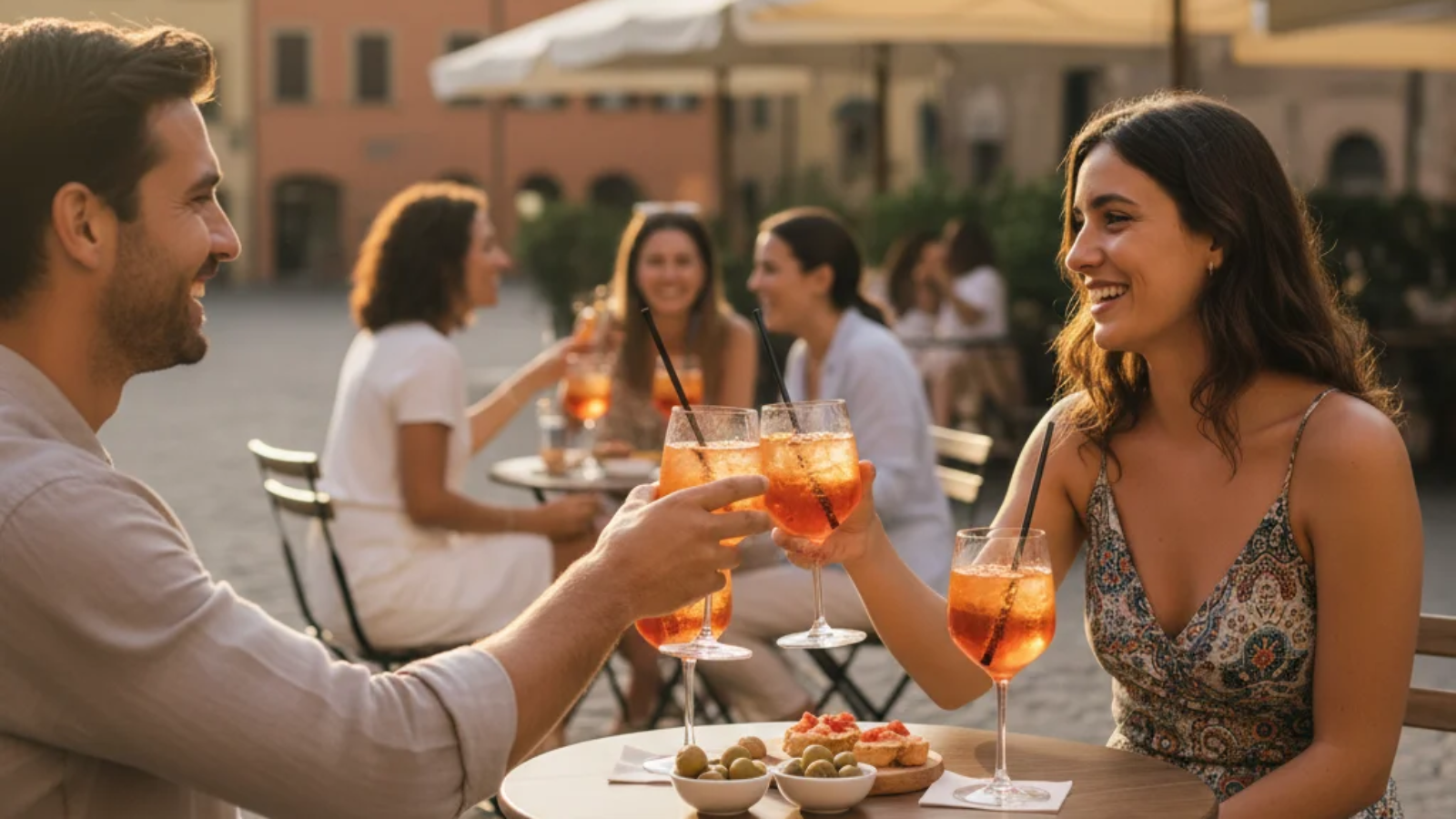
The phrase Ehi vuoi da bere carries far more than its literal translation of “Hey, do you want something to drink?” It captures the heart of Italian hospitality, friendship, and the relaxed rhythm that defines everyday life in Italy. This simple question reflects centuries of social traditions and embodies the Italian way of connecting through shared moments over a glass of something refreshing. In Italy, asking this question isn’t just about offering a drink; it’s about offering a piece of companionship and inviting someone into your circle of joy. Understanding this phrase unlocks the spirit of la dolce vita—the sweet life that Italians live and breathe every day.
The Meaning and Emotion Behind the Phrase Ehi vuoi da bere
To grasp the real essence of Ehi vuoi da bere, it’s important to look beyond translation and feel the emotion it carries. The word “Ehi” instantly draws attention in a friendly, informal way, while “vuoi” (you want) uses the familiar “tu” form—signifying closeness and comfort. “Da bere” literally means “to drink,” but together, the phrase suggests generosity and connection. It’s more like saying, “Hey, can I get you a drink?”—a social gesture that opens the door to laughter, conversation, and friendship.
The Italian Ritual of L’Aperitivo
The charm of this phrase shines most brightly during Italy’s famous aperitivo hour. From bustling piazzas to cozy bars, Italians gather between 6:00 PM and 9:00 PM to unwind after a long day. A simple Ehi, vuoi da bere can set the tone for a delightful evening. The ritual of aperitivo is not about drinking alone—it’s about stare insieme, being together. Classic drinks such as the Aperol Spritz, Negroni, or Prosecco often accompany small bites like olives, bruschetta, or chips. The experience turns a casual drink into a social celebration.
Mixology & Signature Drinks: The Heart of the Experience
A great drink is more than just a recipe; it’s an experience in a glass. Whether you are hosting a formal gathering or a casual hangout, these insights into the world of mixology will help you serve something memorable.
2.1 The Ultimate Guide to Classic Italian Sips
To truly honor the phrase “Ehi Vuoi Da Bere?”, you must master the classics. These drinks are the foundation of Italian social life:
- The Negroni: A bold, bitter, and sophisticated mix of Gin, Vermouth Rosso, and Campari. It’s the king of the Aperitivo.
- The Aperol Spritz: Light, bubbly, and refreshing. The perfect balance of Prosecco, Aperol, and soda water—best enjoyed as the sun goes down.
- The Americano: A lighter alternative for those who love the complexity of Campari and Vermouth but want to keep it low-alcohol with a splash of club soda.
2.2 Modern Twists on Timeless Classics
Take the familiar and make it unique. Adding a modern touch shows your creativity as a host:
- The White Negroni: Swap the heavy red ingredients for Suze and Lillet Blanc for a floral, clear, and elegant look.
- Herbal Infusions: Use fresh rosemary or thyme as garnishes. Smacking the herbs before placing them in the glass releases oils that change the entire aroma of the drink.
- Spiced Syrups: Instead of plain sugar, use a homemade honey-ginger syrup or a cinnamon-infused simple syrup to add depth to your cocktails.
2.3 The Anatomy of the Perfect Cocktail: Balance and Flavor
Mixology is a science. To create a drink that tastes professional, you need to master the “Golden Ratio”:
- Sweet vs. Sour: Every great drink needs a balance. If you use lime juice (sour), you must balance it with agave or sugar (sweet).
- The Role of Dilution: Stirring or shaking with high-quality ice isn’t just about cooling; it’s about adding the perfect amount of water to open up the spirits’ flavors.
- The Garnish: Never skip the garnish. A twist of lemon or a single olive isn’t just for looks—the scent hits the nose first, setting the stage for the first sip.
2.4 Refreshing Non-Alcoholic Alternatives (Mocktails)
Modern hosting means making sure everyone feels included. A “signature drink” doesn’t have to contain alcohol to be sophisticated:
- The Virgin Spritz: Use non-alcoholic bitters with tonic water and a slice of orange.
- Cucumber & Mint Cooler: Muddled cucumber, fresh mint, lime juice, and elderflower syrup topped with sparkling water. It’s crisp, elegant, and looks beautiful in a highball glass.
- The “Phony” Negroni: Using juniper-infused syrups and hibiscus tea to mimic the complexity of the original without the buzz.
How to Respond Like a Local
When someone offers you a drink in this way, how you respond matters just as much as the offer itself. Italians value warmth, politeness, and enthusiasm. A cheerful “Sì, volentieri!” (Yes, gladly!) is a perfect way to accept. You can also mirror their invitation with “E tu? Cosa prendi?” (And you? What are you having?), keeping the conversation friendly and flowing. If you’re not drinking alcohol, a simple “Grazie, ma per me qualcosa di analcolico” (Thanks, but for me something non-alcoholic) maintains the tone while expressing your preference. In Italian culture, the focus isn’t the drink—it’s the shared company.
Cultural Significance and Connection
This everyday expression demonstrates how Italians value human connection above all else. Whether it’s at a dinner party, a café by the sea, or a friend’s living room, Ehi vuoi da bere represents kindness, generosity, and inclusion. It’s a verbal bridge that brings people together, making even strangers feel like friends. The power of this phrase lies in its simplicity—it’s a small gesture that carries a big message of warmth and openness.
Essential Vocabulary for Italian Drinking Culture
If you plan to experience Italian culture firsthand, learning some essential drink-related vocabulary will help you fit right in. Knowing how to say prendo un prosecco (I’ll have a prosecco) or una birra, per favore (a beer, please) can make conversations smoother. Familiarity with common beverages—like Spritz, Negroni, Crodino, or acqua frizzante (sparkling water)—will allow you to participate naturally in social gatherings. You’ll soon notice that these exchanges aren’t just about ordering; they’re about bonding and building relationships.
How to Incorporate Ehi Vuoi Da Bere into Your Life
Incorporating “ehi vuoi da bere” into your daily life can add a delightful twist to social interactions. Use it as an icebreaker at gatherings. It invites conversation and creates a relaxed atmosphere.
Consider saying it when meeting friends for drinks or during casual outings. It sets the tone for fun exchanges and laughter.
You might even use the phrase in writing, such as inviting someone over through text messages or social media. The charm of this expression captures attention instantly.
For those who enjoy hosting, integrate “ehi vuoi da bere” into invitations for parties or small get-togethers. It’s a friendly touch that makes guests feel welcome.
Embrace it on special occasions too. Whether celebrating milestones or simply enjoying moments with loved ones, let this phrase echo through your festivities, reminding everyone to savor good times together.
People Also Ask (PAA)
Q: What does Ehi vuoi da bere really mean?
A: Literally, it means “Hey, do you want something to drink?” but culturally, it’s a friendly invitation to join someone for a drink and conversation.
Q: When do Italians use Ehi vuoi da bere?
A: It’s commonly used during social gatherings, aperitivo hours, or when someone wants to offer hospitality or start a casual chat.
Q: How can I reply to Ehi vuoi da bere?
A: You can say “Sì, volentieri!” to accept, or politely decline with “No, grazie. Però mi unisco volentieri!” meaning “No, thank you. But I’ll happily join you.”
Q: Why is Ehi, vuoi da bere considered part of Italian culture?
A: Because it represents the Italian love for togetherness, kindness, and sharing life’s pleasures over food and drinks.
Conclusion
In the end, Eh, vuoi da bere is much more than a phrase—it’s an experience. It reveals how Italians turn simple gestures into meaningful interactions. It teaches us that true joy often lies in small acts of connection: a shared laugh, a clink of glasses, or an evening spent among friends. To ask or hear these words is to be invited into the Italian art of living—where life is savored one drink, one smile, and one conversation at a time. So next time someone says Ehi vuoi da bere, remember: they’re not just offering you a drink—they’re offering you a moment of friendship and the chance to live a little more like an Italian.

Add a Comment